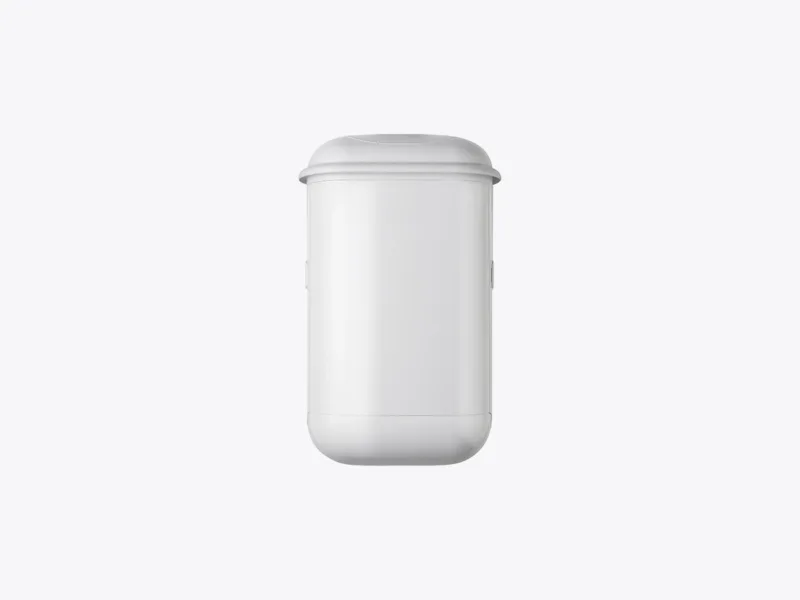

Problem Solver Severity: medium ~10 mins
Touch-Free Sensor vs. Manual Sanitary Bins: Hygiene & Cost Comparison
Sensor Technology, Touchless Compliance & Long-Term Servicing Economics
Detailed technical and operational comparison between infrared sensor automatic sanitary bins and manual foot-pedal units.
Curative Remediation Protocol
1
Hygiene & Touchpoint Analysis
Evaluate cross-contamination risk. In healthcare and corporate facilities, touch-free automatic units provide the highest user confidence.
2
Maintenance & Battery Longevity
Modern SaniPod sensor bins use high-efficiency micro-motors operating for 2+ years on standard batteries.
Root Cause Analysis & Prevention Guidelines
Touch-Free Sensor vs. Manual Sanitary Units
Both automatic sensor bins and manual units have distinct operational advantages depending on facility demographics and maintenance budgets.
Touch-Free Sensor Units - Zero touch-point contact eliminates cross-contamination. - Sleek, modern aesthetic preferred by workplace employees. - Battery life typically exceeds 24 months (tens of thousands of cycles).
Manual & Foot-Pedal Units - Zero power or battery requirement. - Extreme durability against vandalism in public schools and council facilities.
Troubleshooting FAQs
No. Commercial sensor units feature calibrated narrow-beam infrared sensors that only trigger within 5-10cm directly above the sensor window.
Required Curative Remediation Products
Problem Solver Kit
Targeted chemical agents and tools required to resolve this issue safely.